
Is Sealing a Shower Actually Worth It?
Sealer is not a coating and it is not permanent. What it really does, how long it lasts in Southern California, and the ten-second test that tells you it is time.
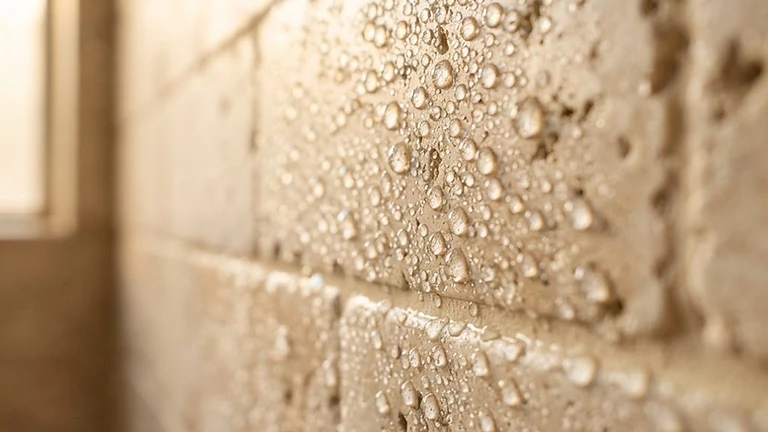
Sealing is the one shower service that homeowners most often skip, and the one that most reliably pays for itself. The confusion is usually about what a sealer is: it does not put a plastic layer over your tile, and it does not make the shower self-cleaning. It slows down the rate at which water and minerals enter a porous surface.
What a shower sealer actually does
A penetrating sealer soaks into grout and stone and lines the pores, so water beads instead of soaking in. That buys you time. Instead of minerals sitting inside the grout for hours, they sit on top where you can wipe them away. Over years, that is the difference between grout that stays its original colour and grout that has to be replaced.
Penetrating vs. topical sealers
- Penetrating sealers soak in, leave no film, and are the right choice for tile, grout and natural stone.
- Topical sealers sit on the surface and wear unevenly in a wet shower — they peel, yellow, and trap moisture.
- Enhancers deepen colour as well as sealing, useful on travertine and slate.
What sealing will not do
It will not fix mould that has already grown, remove scale that has already bonded, or make an unventilated bathroom dry. Sealing goes on last, after cleaning and any repair, or it seals the problem in.
How often in Southern California
With hard local water, most showers want a fresh sealer every one to three years. Heavily used showers, travertine and unsealed grout all push toward the shorter end. Marble and dense porcelain can go longer.
The ten-second test
Cup your hand and throw a little water at the wall. Beads and rolls: sealed. Darkens the surface and spreads: time to reseal. That is the whole test, and it is worth doing every few months.
Not sure what your shower needs?
Free quotes across San Diego, Orange County and Los Angeles.
GET QUOTE


